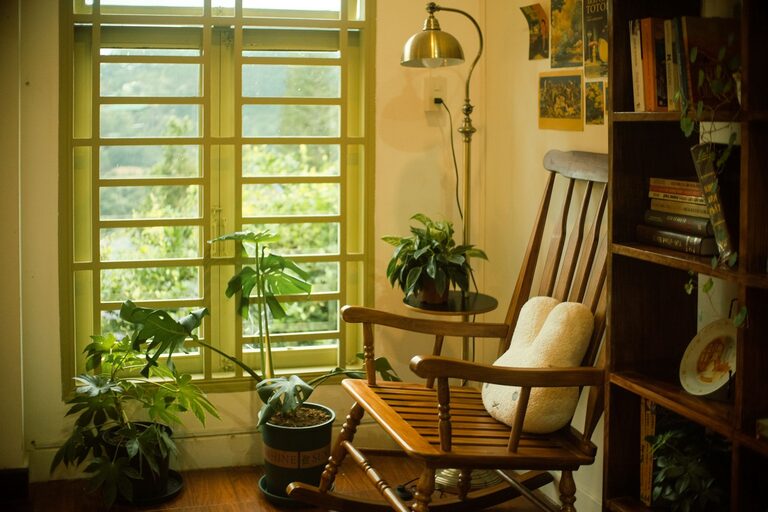








Bringing plants into your home is one of the easiest and most rewarding ways to refresh your living space. Whether you want to add a splash of green or create a tranquil retreat, plants can enhance your home’s atmosphere, boost your mood, and even improve air quality. In this guide, we’ll explore practical tips on selecting, arranging, and caring for plants to transform your home into a vibrant and inviting space.
Why Add Plants to Your Home?
Plants do more than just decorate a room. They can:
– Improve Air Quality: Many indoor plants filter toxins and produce oxygen.
– Enhance Mood: Being around greenery can reduce stress and increase feelings of well-being.
– Bring Life to Decor: Plants add color, texture, and interest to any room.
– Increase Humidity: Some plants release moisture, which can be beneficial in dry environments.
With these benefits in mind, let’s look at how you can refresh your home with plants.
Choosing the Right Plants for Your Space
Not all plants thrive the same way indoors. It’s important to pick plants that suit your lifestyle and the conditions of your home.
Assess Your Lighting
The amount of natural light your rooms receive greatly influences which plants will flourish.
– Bright Light: South or west-facing windows provide strong light. Good plants for this include succulents, cacti, and fiddle leaf figs.
– Medium Light: East-facing windows offer morning sun. Try pothos, spider plants, or peace lilies.
– Low Light: North-facing rooms or spots far from windows work for snake plants, ZZ plants, or philodendrons.
Consider Your Schedule and Experience
Some plants need more attention than others.
– Low Maintenance: Perfect for beginners or busy people. Examples include snake plants and pothos.
– More Care Required: Fiddle leaf figs or orchids need regular watering and monitoring.
Think About Size and Placement
Measure the space you plan to fill and choose plants that won’t overcrowd the area. Tall floor plants can fill empty corners, while small succulents or herbs work well on shelves and windowsills.
Creative Ways to Display Plants
How you arrange your plants can make a big difference in your home’s look and feel.
Group Plants Together
Grouping several plants creates a mini indoor garden effect. Use varying heights and textures to make the display more dynamic.
Use Stylish Containers
Pots and planters are part of the decor. Choose containers in colors and styles that match your interior theme – ceramic, woven baskets, metal, or terracotta are great options.
Hang Plants
Macramé hangers or wall-mounted planters add greenery without using floor space. Hanging plants like string of pearls or Boston ferns soften the edges of a room.
Create a Plant Shelf or Wall
Arrange plants on a dedicated shelf or floating shelves on a wall. This turns your plants into a focal point and saves space.
Basic Plant Care Tips for Longevity
To keep your plants healthy and vibrant, follow these simple care steps:
– Watering: Check each plant’s water needs. Overwatering is a common mistake. Let the top layer of soil dry out for most plants before watering again.
– Light: Rotate plants occasionally so all sides get light and growth remains even.
– Humidity: Some plants appreciate extra humidity. Mist leaves or use a humidifier if your home is dry.
– Feeding: Use a balanced fertilizer monthly during growing seasons (spring and summer).
– Cleaning: Dust leaves gently with a damp cloth to help plants photosynthesize better.
Seasonal Refreshes with Plants
Keep your space feeling fresh by changing your plant displays with the seasons:
– Spring: Bring in flowering plants like African violets or begonias.
– Summer: Add tropical plants with bold leaves such as monstera or palms.
– Fall: Use autumnal decorations around your plants, like pinecones or gourds.
– Winter: Choose evergreens or plants with textured leaves and use warm lighting for a cozy feel.
Additional Tips for Success
– Start Small: Begin with a few easy plants and expand gradually as you gain confidence.
– Combine Live and Artificial Plants: In low-light or hard-to-reach spots, high-quality artificial plants can complement real ones.
– Use Plants to Improve Room Function: For example, place a large leafy plant in the living room for a calming vibe, or grow herbs in the kitchen for fresh flavors and greenery.
Final Thoughts
Refreshing your home with plants is a simple and cost-effective way to boost your environment both aesthetically and physically. By choosing the right plants, displaying them creatively, and maintaining their care, you can create a lively, natural space that feels welcoming and rejuvenating every day.
Start with one or two plants today and enjoy the many benefits that indoor greenery has to offer!