






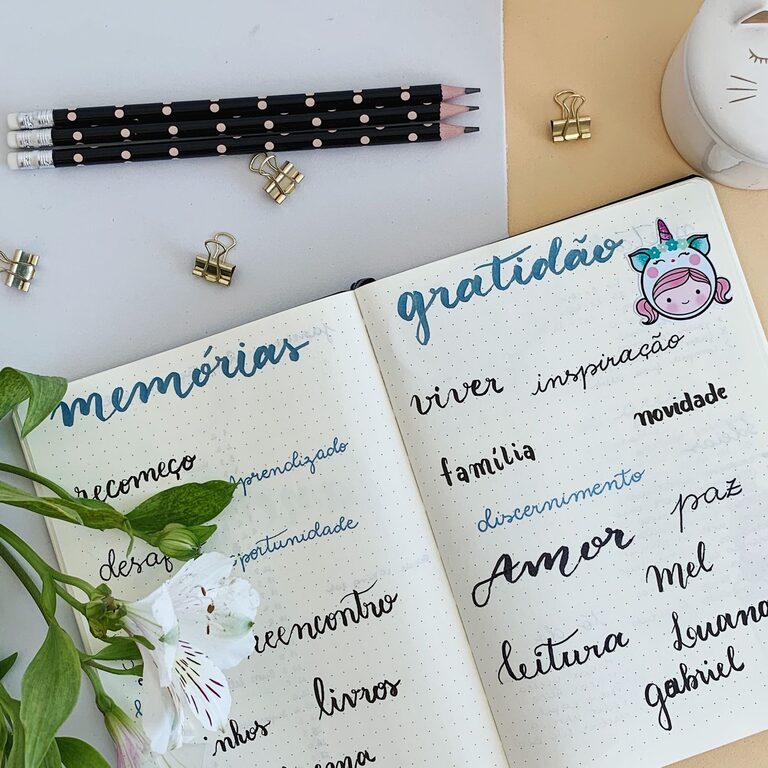
Starting a gratitude journal is a wonderful way to boost your mood, improve your mental well-being, and develop a positive outlook on life. It’s a simple practice that encourages you to focus on the good things in your day, no matter how big or small. If you’re new to journaling or looking for ways to make gratitude a part of your routine, this guide will help you get started with confidence and ease.
What is a Gratitude Journal?
A gratitude journal is a personal diary where you regularly write down things you are thankful for. This practice helps shift your focus from worries and stress to appreciation and joy. Over time, keeping a gratitude journal can increase happiness, reduce negative emotions, and improve overall life satisfaction.
Why Start a Gratitude Journal?
Before diving into how to start, it’s helpful to understand why this practice works:
– Boosts mood: Focusing on positive experiences can help reduce feelings of sadness or anxiety.
– Improves sleep: Reflecting on good moments before bed has been linked to deeper, more restful sleep.
– Enhances relationships: Expressing gratitude can improve your connections with others.
– Builds resilience: Recognizing what you have even in tough times strengthens your ability to cope.
What You Need to Get Started
Starting a gratitude journal doesn’t require special tools or a lot of time. Here’s what you’ll need:
– A journal or notebook: Choose a format you enjoy, whether it’s a physical notebook, a digital document, or a dedicated app.
– A pen or pencil: If you prefer writing by hand, select a pen that feels comfortable.
– A quiet space: Find a calm spot to reflect and write without interruptions.
– Time: Aim for 5 to 10 minutes daily or several times a week.
Steps to Start Your Gratitude Journal
1. Choose Your Journal Format
Some prefer the charm of a handwritten notebook, while others like typing on their phone or computer. Pick what fits your lifestyle and feels motivating.
2. Set a Regular Time
Consistency helps build a habit. Many people prefer journaling first thing in the morning or right before bed. Find a time that feels natural for you.
3. Start Small
Begin by writing down 3 to 5 things you are grateful for each day. These can be simple, like enjoying a warm cup of coffee or hearing a friend’s laugh.
4. Be Specific
Instead of vague statements, try to detail your entries. For example, write “I’m grateful for the fresh air during my walk” instead of “I’m grateful for nature.”
5. Include Why
Adding reasons helps deepen your reflection. For example, “I’m thankful for my coworker’s help today because it made my project easier.”
6. Mix It Up
Try different approaches to keep your journal interesting:
– Write a gratitude letter to someone (you don’t have to send it).
– List things you often take for granted.
– Reflect on challenges you overcame and what they taught you.
7. Don’t Stress About Perfection
Your gratitude journal is for you. There’s no right or wrong way to do it. The key is honesty and regularity, not perfect grammar or lengthy entries.
Tips for Maintaining Your Gratitude Journal
– Keep your journal visible: Place it somewhere easy to reach as a reminder.
– Combine with other habits: Pair journaling with your morning coffee or evening routine.
– Celebrate progress: Look back at past entries to see how your gratitude has grown.
– Use prompts: When stuck, try prompts like “What made me smile today?” or “One thing I’m looking forward to.”
– Share insights: If comfortable, share your gratitude moments with friends or family to encourage positivity.
Common Challenges and How to Overcome Them
Challenge: Forgetting to Journal
Solution: Set a phone alarm or use a habit tracking app to remind you.
Challenge: Feeling Like You Have Nothing to Be Grateful For
Solution: Start with very small things like a roof over your head, clean water, or a favorite song.
Challenge: Writing Feels Like a Chore
Solution: Keep entries short and sweet. Even one sentence counts.
The Long-Term Benefits
With time, a gratitude journal can help rewire your brain towards noticing more positive experiences throughout your day. Many people find that their overall stress decreases and their appreciation for life grows.
Conclusion
Starting a gratitude journal is an easy and effective way to bring more happiness and mindfulness into your daily life. By setting aside just a few minutes each day to acknowledge what you are thankful for, you can create a lasting positive habit. Remember, the best journal is one that fits your style and schedule, so feel free to customize your practice as you go. Grab your favorite notebook or open a new document, and start your gratitude journey today!