







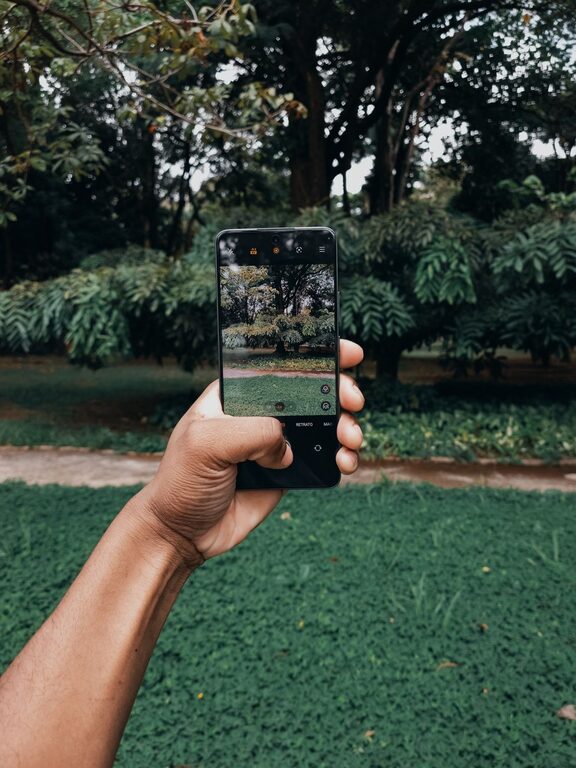
Taking great photos with your phone may seem challenging at first, but with a few simple tips, you can significantly improve your results. Phones today are equipped with powerful cameras, and learning how to use them well can help you capture beautiful moments effortlessly. Whether you want to take better pictures of friends, nature, or everyday scenes, these beginner tips will guide you toward sharper, more captivating phone photos.
Understand Your Phone Camera’s Basics
Before diving into photography techniques, it’s important to familiarize yourself with your phone’s camera features. Most modern phones offer manual controls, grid lines, HDR modes, and different lenses (like wide-angle or portrait modes).
– Explore the camera app: Take time to navigate through settings such as exposure, focus, and white balance.
– Turn on grid lines: This helps with composition using the “Rule of Thirds,” making your photos more balanced.
– Try different lenses and modes: Use portrait mode for blurred backgrounds or wide-angle for landscapes.
Focus on Good Lighting
Lighting is one of the most critical factors for photography.
– Use natural light when possible: Early morning and late afternoon produce soft, warm light that is flattering.
– Avoid harsh sunlight: Midday sun can create strong shadows and highlights; seek shaded spots instead.
– Experiment with indoor lighting: Windows provide gentle light indoors, while avoiding fluorescent lighting can improve colors.
– Use the phone’s flash sparingly: Flash can flatten the image or create unwanted reflections.
Compose Your Shots Thoughtfully
Composition is about arranging elements within your frame to create an appealing photo.
– Apply the Rule of Thirds: Imagine your frame divided into a 3×3 grid; place the subject along these lines or intersections.
– Look for leading lines: Roads, fences, or shadows can guide the viewer’s eye into the photo.
– Fill the frame: Don’t be afraid to get closer to your subject to show details.
– Include foreground and background elements: This adds depth and context.
– Keep the horizon straight: Crooked horizons can distract from the photo’s impact.
Steady Your Shot for Sharper Photos
Blurry images are often caused by camera shake.
– Hold your phone with both hands: This provides stability.
– Lean against a solid surface: Use walls or tables to steady yourself.
– Use a timer or remote shutter: This avoids shaking caused by tapping the screen.
– Consider a small tripod: Affordable phone tripods can greatly enhance stability.
Focus and Exposure Control
Phones often auto-focus and adjust exposure, but taking control can produce better photos.
– Tap the screen: Most phones allow you to tap where you want the focus to be.
– Adjust exposure manually: After tapping, a sun icon or slider may appear that lets you lighten or darken the image.
– Lock focus and exposure: Many phones have an option to lock focus and exposure so settings don’t change mid-shot.
Experiment with Different Perspectives
Trying new angles can make your photos stand out.
– Shoot from low or high viewpoints: Photographing from unusual heights can add interest.
– Get close to your subject: This highlights textures and details.
– Use reflections: Mirrors, water, or windows can create creative effects.
– Include motion: Capture movement using burst mode or by panning your camera.
Edit Your Photos Thoughtfully
Editing can enhance your photos but should be done carefully to keep images natural.
– Use built-in photo editors: Adjust brightness, contrast, and saturation to improve the photo.
– Crop and straighten: Remove distractions and fix the horizon.
– Try apps like Snapseed or VSCO: These apps offer advanced yet user-friendly editing tools.
– Avoid over-editing: Keep colors and details realistic for the best results.
Practice Regularly and Review Your Work
The best way to improve is to keep practicing.
– Take photos daily: Experiment with different subjects and lighting.
– Review your photos: Look for what works well and what could be improved.
– Learn from others: Follow photographers on social media or join phone photography groups.
– Challenge yourself: Try themes like portraits, landscapes, or street photography.
Final Thoughts
Phone photography is accessible and fun, with endless opportunities to express your creativity. By understanding your camera, focusing on lighting and composition, keeping your shots steady, and editing carefully, you’ll find yourself taking better photos in no time. Remember, the most important thing is to enjoy the process and keep exploring new ways to capture the world around you. Happy shooting!