






Keeping your fridge and pantry tidy not only makes your kitchen look neat but also helps you save money, reduce food waste, and find ingredients quickly. A well-organized kitchen space can turn meal prep into a smoother, more enjoyable experience. This guide will walk you through practical steps to maintain an orderly fridge and pantry, with helpful tips and easy-to-follow methods.
Why Keeping Your Fridge and Pantry Tidy Matters
When your fridge and pantry are cluttered, it’s harder to keep track of what food you have, which often leads to expired items and unnecessary purchases. A tidy space helps:
– Maintain food safety by preventing cross-contamination
– Maximize shelf life of your groceries
– Make meal planning and cooking easier
– Save money by reducing waste
Getting Started: Clean Out and Assess
Before setting up an organization system, start fresh by cleaning and assessing your fridge and pantry contents.
Step 1: Empty Everything
Take all items out of your fridge and pantry. Place them on a clean counter or table so you can see what you have.
Step 2: Check Expiration Dates
Discard any expired, spoiled, or questionable food. If something looks or smells off, it’s safer to throw it away.
Step 3: Clean Shelves and Drawers
Use warm, soapy water or a gentle cleaner to wipe down shelves, drawers, and containers. Dry everything thoroughly before putting items back.
Step 4: Sort by Category
Group foods into categories like dairy, vegetables, canned goods, snacks, and spices. This makes it easier to decide on storage zones.
Organizing Your Fridge
A well-arranged fridge keeps food fresher longer and improves accessibility.
Use Clear Storage Containers
Invest in clear, stackable containers to store leftovers, chopped vegetables, or deli meats. Clear containers help you know what’s inside without opening them.
Allocate Zones for Food Types
Arrange your fridge shelves by food category:
– Top shelves: Ready-to-eat foods such as drinks, leftovers, and dairy
– Middle shelves: Eggs, butter, and snacks
– Bottom shelves: Raw meat, fish, or poultry (store on a tray to catch drips)
– Crisper drawers: Use one for fruits and one for vegetables, adjusting humidity if your fridge has that option
– Door shelves: Condiments, juices, and small jars (avoid storing milk here as the temperature fluctuates)
Label and Date Items
Use labels or masking tape with dates to track when you opened or prepared food, especially leftovers.
Avoid Overcrowding
Give your food items space so the cold air can circulate properly. This helps maintain consistent temperatures and fresh food.
Organizing Your Pantry
Your pantry should be just as tidy and easy to navigate as your fridge.
Use Bins and Baskets
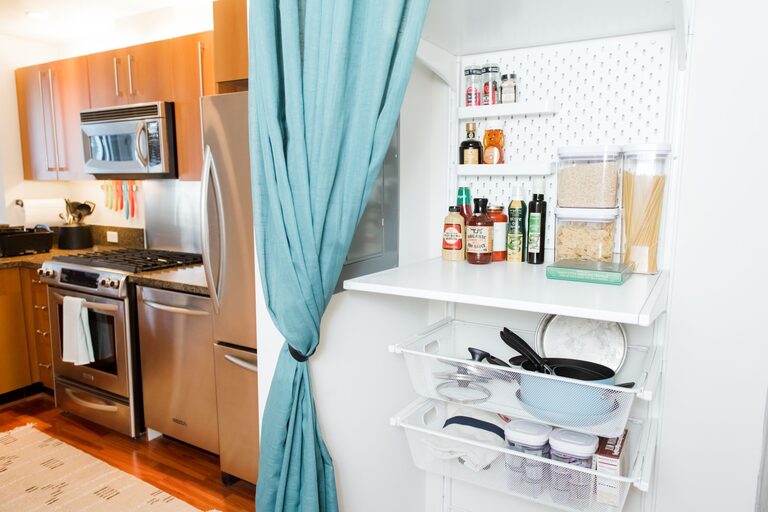
Group smaller items like spice packets, snack bars, or baking supplies into labeled bins or baskets. This keeps things contained and prevents clutter.
Store Similar Items Together
Keep canned goods, grains, pasta, and baking ingredients in separate sections or shelves. Use airtight containers for items like flour, sugar, and rice to maintain freshness and prevent pests.
Implement First In, First Out (FIFO)
Place newly bought items behind older ones. This encourages using older items first and reduces waste.
Label Everything
Label shelves, bins, or containers clearly. This is especially helpful if multiple family members access the pantry.
Use Vertical Space Wisely
Add stackable shelves or risers to maximize vertical storage. Hanging racks on pantry doors can hold lightweight items or wraps.
Maintenance Tips for Long-Term Tidiness
Keeping your fridge and pantry tidy requires regular upkeep.
Weekly Quick Checks
Take a few minutes once a week to remove expired items, wipe spills, and rearrange things if needed.
Meal Plan Around What You Have
Plan your meals using the ingredients in your fridge and pantry. This helps use up foods before they spoil.
Clean as You Go
Wipe down shelves immediately after any spills to avoid sticky buildup or odors.
Keep a Shopping List
Maintain a list of what you need as you use items. This prevents overbuying and clutter.
Helpful Tools to Consider
– Clear airtight containers: Keep dry ingredients fresh and visible.
– Lazy Susans: Great for condiments or spices in the fridge or pantry.
– Shelf organizers: Help create extra layers and divide space efficiently.
– Drawer liners: Protect shelves and make cleaning easier.
Final Thoughts
A tidy fridge and pantry improve your kitchen’s functionality and reduce food waste. By taking the time to clean, organize, and maintain these spaces, you create a more inviting and efficient environment for cooking and eating. Start small with one or two strategies and build your system over time—it’s easier than you think!
Happy organizing!